Fire Emblem: Radiant Dawn and the Dynamics of Difficulty
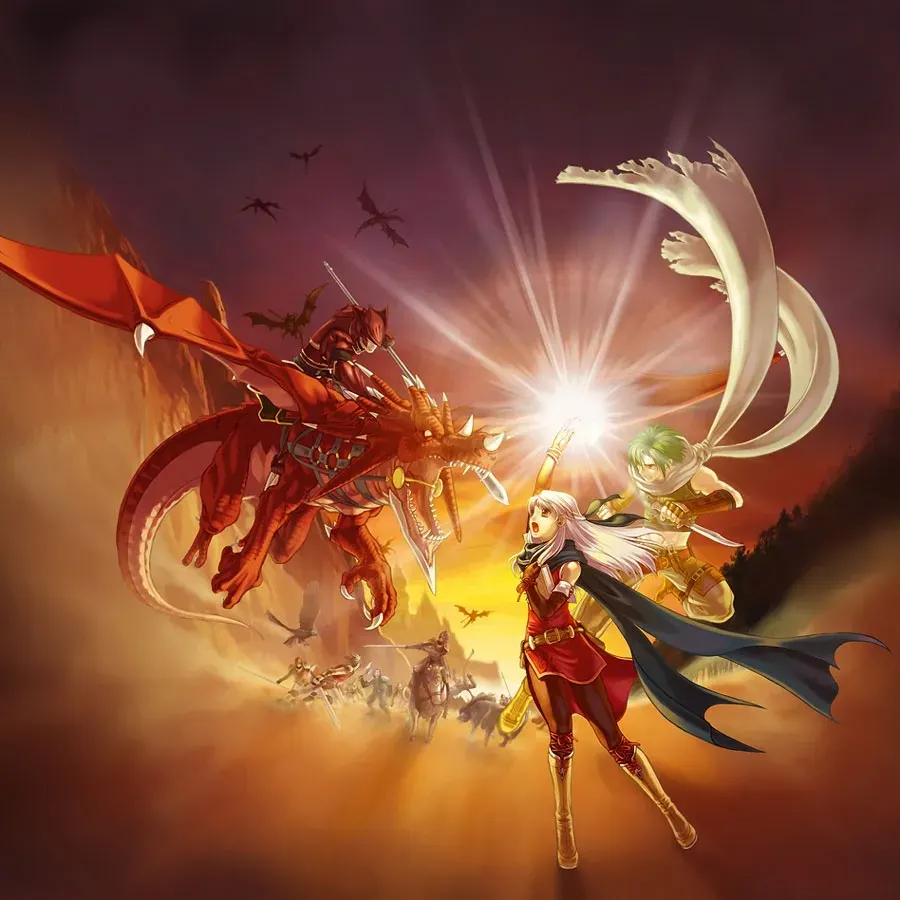
Consider, if you will, the framing of the Wii. Its famous (or infamous) ad campaign centered on this phrase:
“Wii would like to play.”
The commercials were simple; a pair of be-suited men traveled about, introducing families to the joys of motion-control gaming. Heavy focus was placed on the novel new control scheme and the physical activity of it all. However, there was also a clear emphasis on making gaming for everyone.
Fire Emblem, as a franchise, was most certainly not for everyone.. The grandaddy of the SRPG genre, it was (in the 2000s at least) a niche franchise on its best days. It hadn’t even been released in the US until the 7th game in the franchise, just a handful of years prior to the Wii’s release. Known for dramatic (or melodramatic, depending on who you asked) fantasy narratives, in-depth strategic gameplay, and punishing difficulty features (such as the series’ signature perma-death), Fire Emblem seemed to represent everything Nintendo was moving away from in the Wii era.
The operative word there is “seemed.”
Because how did Nintendo put Fire Emblem on the Wii? It’s simple. They didn’t dumb it down. In fact, they doubled down.
No multiplayer. No motion controls. No compromising on its exceedingly complex 50-hour narrative. No compromising on the difficulty. In fact, they made it the hardest Fire Emblem released in the US to date.
The result was Fire Emblem: Radiant Dawn, the antithetical Wii game. The game that is not only known for, but is in fact about, difficulty.
Tactical Travails in Tellius
AKA Yes, It Is Hard AF
Before we go further, let’s discuss the most literal interpretation of what difficulty means with this game.
Radiant Dawn is challenging above and beyond most of its forebears, and also beyond all of the sequels that followed it. Here's why:
- The difficulty options were altered from the Japanese release. American Easy is Japanese Normal, Normal is Hard, etc.
- Your roster will shrink or totally change MANY times throughout the game, and there will be lots of maps where you need to piece together a strategy involving new or temporary units. You are constantly having to make do with the best of what’s available, not cultivating an A-team across the entire game.
- Biorhythm
- A two-tiered trinity of magical advantage. As with Path of Radiance, elemental magic (anima) has a priority list of wind beating thunder, thunder beating fire, and fire beating wind, but that’s on top of the older triangle wherein anima beats light magic, light beats dark, and dark beats anima.
- Radiant Dawn introduced an elevation mechanic to several maps. Higher-elevated ranged units received sizable bonuses to hit chance (and a slight damage boost) when attacking downhill, while lower ones received a penalty to accuracy when aiming up.
- A trying item economy.
- Finally, Radiant Dawn does not possess some of the kindnesses of the games that came after it. Players are not granted the ability to rewind turns, as that feature was not introduced to the series until Shadows of Valentia. Players also do not have access to the easy, free grinding opportunities presented by most subsequent games in the franchise (and a couple of the older games as well).
Even for high-level players, the opening chapters are a brutal test of strategic acumen. If you're used to playing Maddening difficulty on every entry you can, you'll be able to handle Radiant Dawn, but casual fans should be forewarned: underestimate this game at your peril.
All that being said, the game difficulty is not what’s actually interesting about Radiant Dawn. It's how the game’s conception of difficulty extends to the narrative, creating a ludo-narrative harmony between the challenge of its gameplay and the stakes of its story. This process starts by invoking, and complicating, the narrative of the previous game.
Radiant Dawn is a sequel to the GameCube’s own Fire Emblem: Path of Radiance. A direct sequel is not unprecedented in the franchise, but it is a relative rarity. What makes Radiant Dawn so unique is how thorough it is in its complication of the relatively simple narrative Path of Radiance set forth.
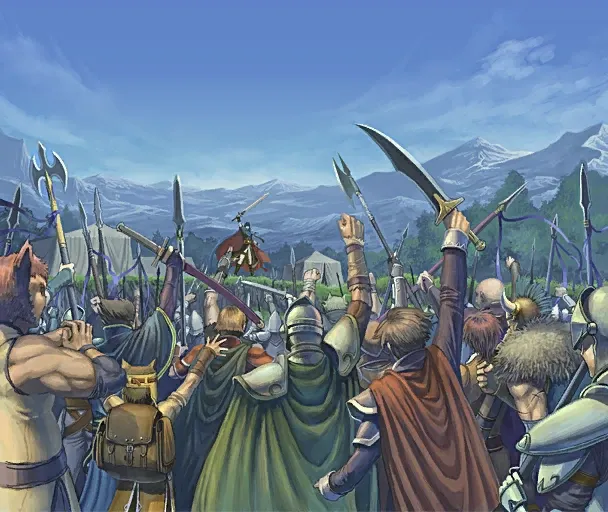
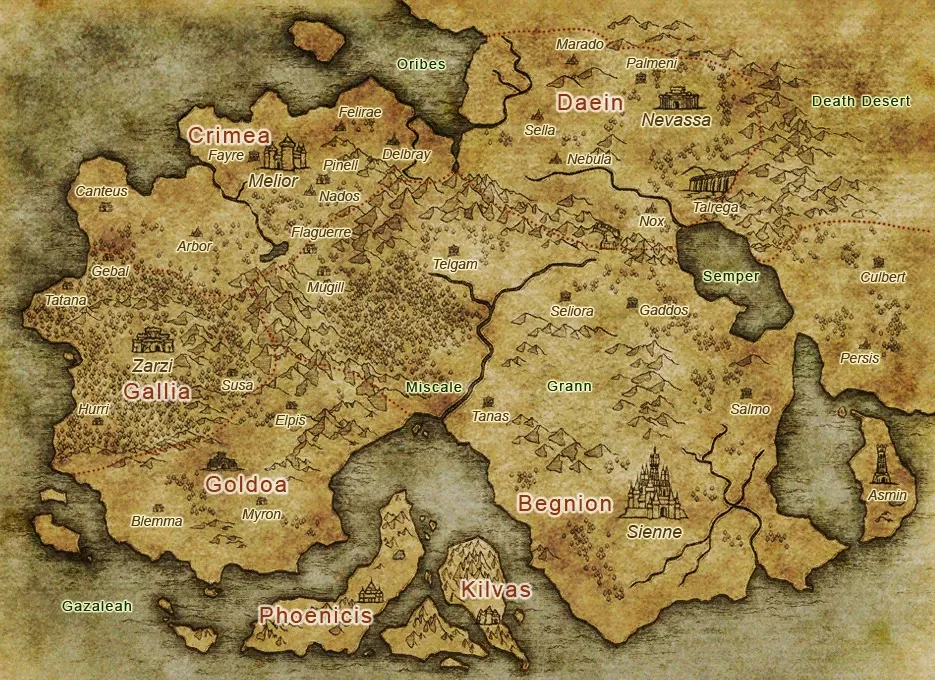
In Path of Radiance, you play as a group of mercenaries that stumble into the middle of a war. When the nation of Daein invades the neighboring Crimea and almost wipes out its royal family, Ike and the Greil Mercenaries must set out to install Princess Elincia (the previously secret heir to the throne) into her rightful position as queen. They must therefore ally with the powerful Begnion Empire, beat back the invading Daein forces, defeat the evil King Ashnard, and return peace to the continent.
Though I love the game dearly, the basic plot is very much a standard JRPG trope. Ike is our designated protagonist, and his growth from rookie to hero forms the backbone of the narrative. There are some more complex flourishes, such as the fraught conflict between the multiple races of humanity (including the “normal“ Beorc, the were-animal Laguz, and the oppressed Branded hybrids). But even with a whiff of clumsy social commentary, it’s still very Star Wars. The story is ultimately that of a plucky young hero (Ike) defeating the evil emperor (King Ashnard of Daein). It’s fine, it’s serviceable, it’s even fun, but it's simple.
Complicating the Narrative
FULL SPOILERS FOR RADIANT DAWN AHEAD
In Radiant Dawn, Ike is (initially) nowhere to be found, but things still start simply enough.
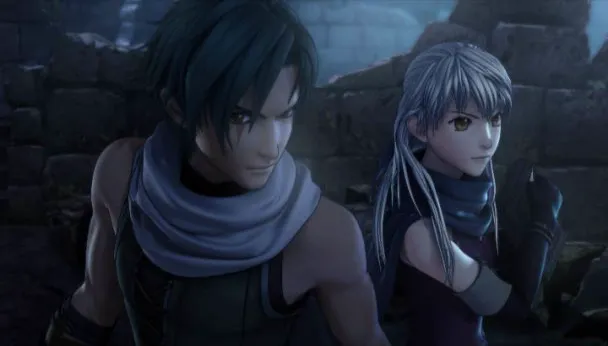
You begin the game as a small group of Daein revolutionaries (the Dawn Brigade, led by the white-haired mage Micaiah). They fight back against the oppressive forces of the Begnion Empire, which has enacted a cruel occupation on the foe it helped cast down. The entire first act of the game is your loose coalition of former friends (and foes) working together to free Daein, Crimea’s one-time occupier, from the vicious imperialist grip of Begnion, Crimea’s ally. Micaiah ultimately pledges herself to Pelleas (an alleged secret heir to Ashnard), gathers new allies, leads her forces to victory, and seemingly frees her people from the Begnion occupation.
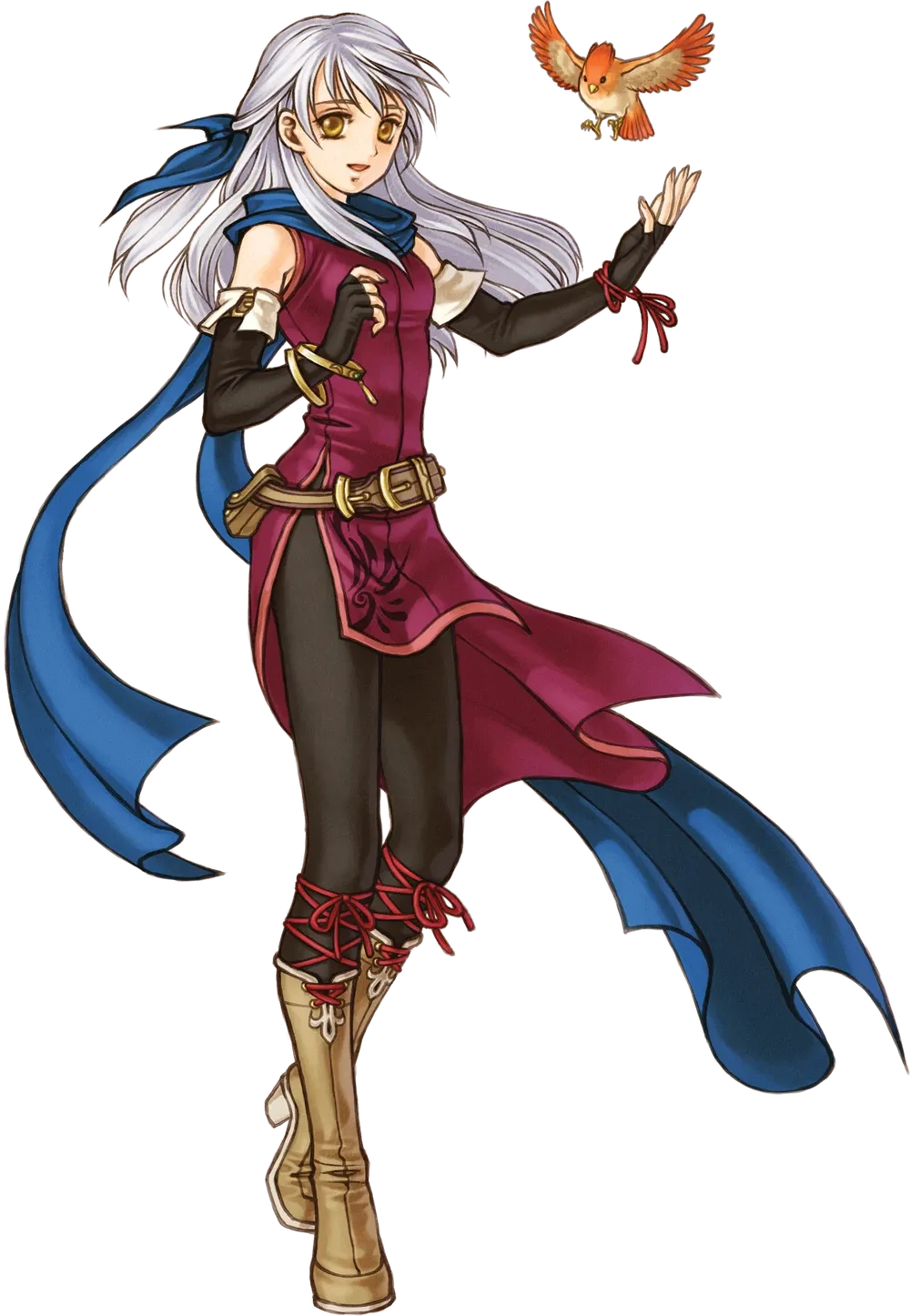
This first act offers an interesting, gender-inverted twist on the story of the previous game (complete with a secret legitimate heir to the throne), but it also effectively challenges your notions of who is righteous and who is repugnant from the very start of the game. Rather than perpetuating the simplistic view of Daein as a nation of malevolent conquerors, Radiant Dawn portrays empire itself as a profound evil that corrupts a nation that embraces its precepts.
The second act further elaborates on these ideas, demonstrating how Queen Elincia’s attempts to lead her kingdom down a righteous post-war path are stifled by an entrenched aristocracy. These nobles give rise to a rebel group that feeds off Crimea's anxieties over a resurgent Daein. There are also undercurrents of patriarchy, racism, classism, and nationalism at play. Elincia's secret upbringing kept her sequestered from the machinations of the Crimean nobles. They do not like the idea of a woman in charge, especially one without loyalty to their class system or Beorc-supremacist ideals. The nobles' vanity and selfishness causes the conflict to snowball into outright civil war. It’s only through the intervention of the Greil Mercenaries that Elincia avoids immense losses on both the political and personal fronts, but the peace she wins is a delicate thing.
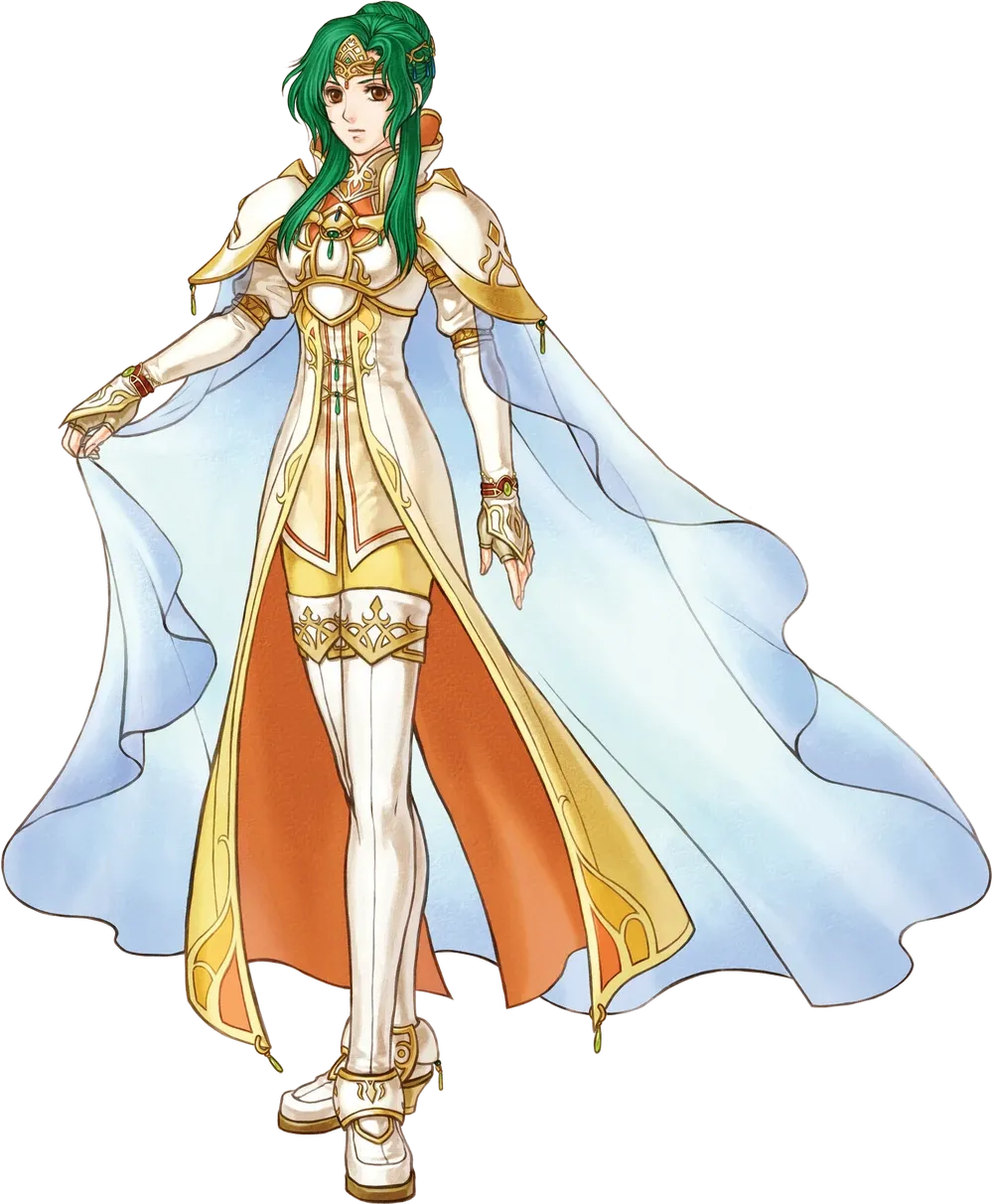
Act 3 sees Ike and the Greil Mercenaries return to center stage as the continent collapses into multi-national conflict. It’s revealed that the Begnion Senate orchestrated a monstrous scheme twenty years past, assassinating their own leader (the Apostle Misaha) for threatening to reveal her Branded heritage to the world. Worse, they framed the peaceful Heron Tribe for her slaying, leading to the Serenes Massacre, a notable inflection point in the conflict between Beorc and Laguz. Ike and the Greil Mercenaries are retained on behalf of the multinational Laguz Alliance to fight Begnion, and thereby right the wrongs of the past.
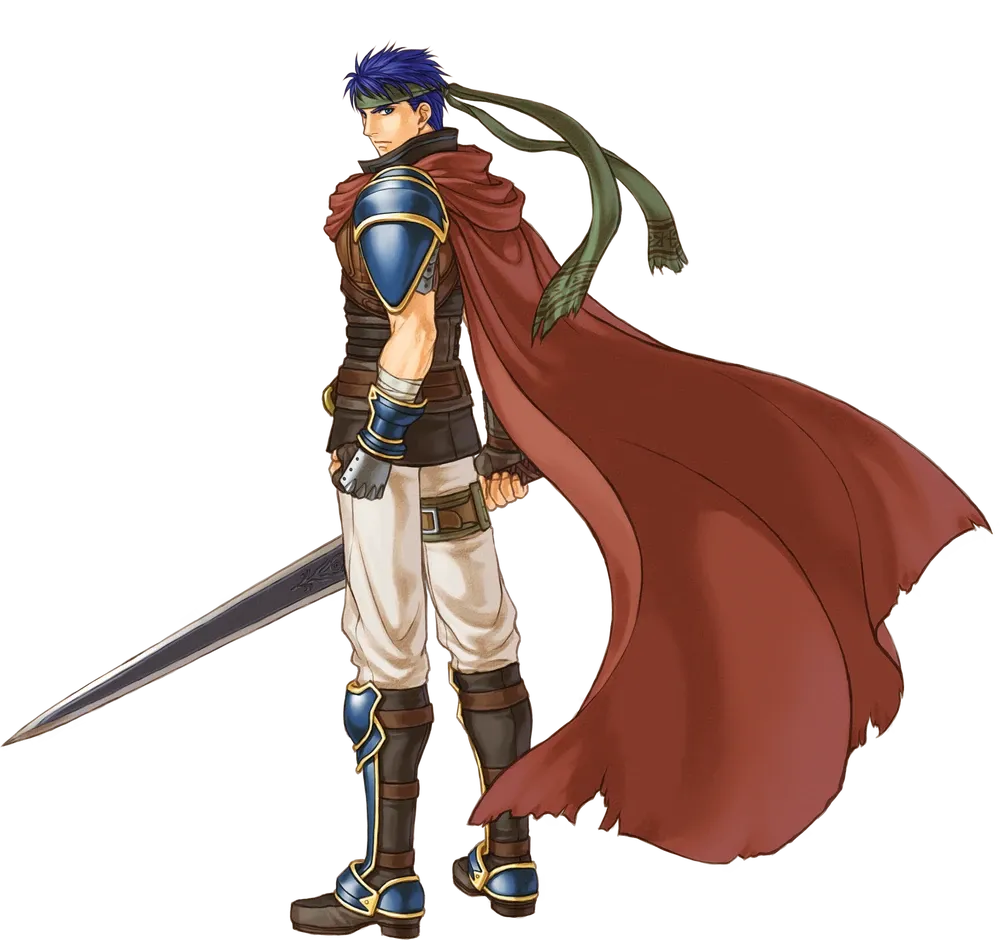
Act 1 already prepared the player to see Begnion as a threat, and Act 2 further solidified the idea that class conflict exists at the core of the game. It seems that the story might settle into a more conventional, anti-authoritarian tale in the vein of its predecessor, but with Begnion revealed as the “real” villain.
But then betrayal strikes.
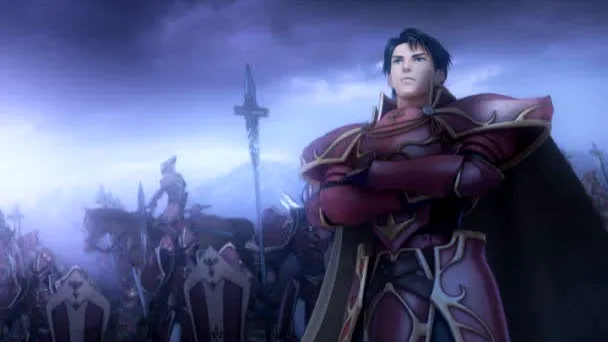
Daein and the Raven Laguz nation of Kilvas are coerced into siding with Begnion, and forced to take up arms against the Laguz Alliance. Begnion also begins raiding Crimea for supplies, forcing Elincia’s already fragile kingdom to defend itself. Soon, battle lines have been drawn and the war spans the entire continent, with your playable heroes finding themselves scattered across the different sides and factions of the conflict.
The player may control Ike and the pro-Laguz forces on one map, and then find themselves organizing the Dawn Brigade to attack Ike's forces on the next. It’s exceedingly effective at conveying that the Other Side is just people, with their own stories, and their own reasons for fighting. With former allies pushed to take up arms against each other, you may well watch as one of your friends is brought low at the hands of another.
Hidden Threats
AKA It's a JRPG, of course you're going to fight god
Yet there is another threat, lurking in the background. As mentioned in Path of Radiance, a dark goddess is sealed inside Lehran's Medallion (also known as the titular Fire Emblem, and once owned by Ike's sister, Mist, before she passed it on to the remaining Herons). The sealed goddess is said to be a creature of chaos, and it is feared that a world war might produce chaos so powerful that it would set her loose. Several characters mention that the last time she was free to act, she destroyed much of the world in a flood.
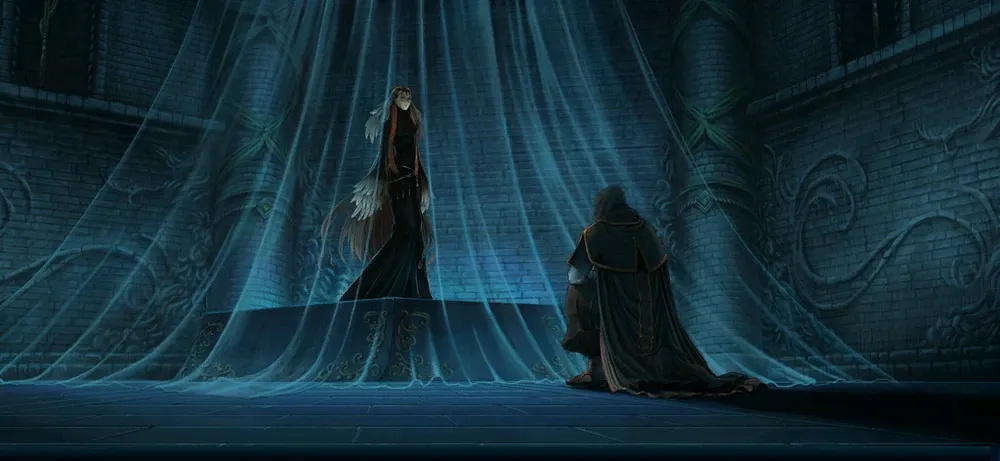
At the end of Act 3, this goddess is indeed unleashed from the Emblem, but this process has an unanticipated consequence: it also wakes Ashera, the Goddess worshiped by Begnion. Before the consequences of freeing the dark goddess can be seen, it is Ashera that decides that mortals are too difficult to bend towards peacefulness, and therefore she turns most of the world to stone. In an instant, only the very strongest are left to oppose her.
The goddess of chaos was never the threat. It was an unjust order that threatened humanity.
Fortunately, the heroes have gained a shocking new ally; Yune, the once-sealed Goddess of Chaos has chosen to protect and empower what remains of humanity in their fight against Ashera. She also reveals a dark truth: that the goddess Ashera is but one half of the original creation goddess, Ashunera, with Yune herself being the other.
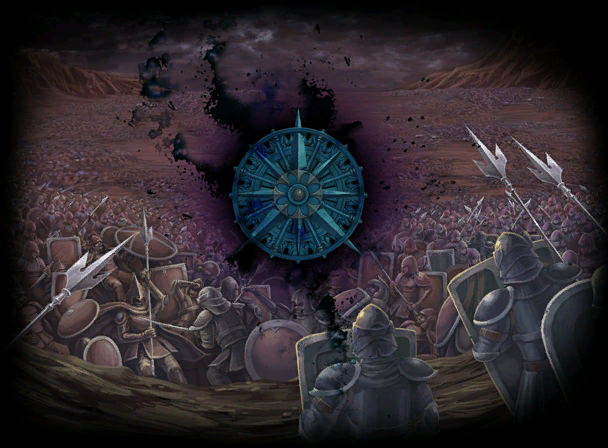
Yune also reveals that one of the most fundamental conflicts underpinning the setting arose from Ashunera's failure. Centuries ago, seeing that the Zunanma (the original human species that preceded the modern racial divisions) were descending into tribalist conflicts, she attempted to more firmly divide and separate them, creating the Beorc and Laguz. This, of course, backfires immensely, merely exacerbating the conflict, and drowning Ashunera in grief and self-recrimination. In her agony, she inadvertently unleashed her godly power, drowning the world in a Great Flood.
Seeing what she had done, Ashunera took the easy path, emboldened by the advice of Lehran (her heron tribe confidant), and her other supporters. Desperate to forgo her overpowering feelings, she cast them aside, splitting herself into the calculating Goddess of Order, Ashera, and the emotional Goddess of Chaos, Yune. Ashera had Yune sealed away in Lehran’s Medallion, then set forth an emotionless ultimatum: Mortals would have a millennium to create peace. If they succeeded, Ashera would reunite with Yune. If they failed, Ashera would wipe the slate clean and destroy the world she had built.
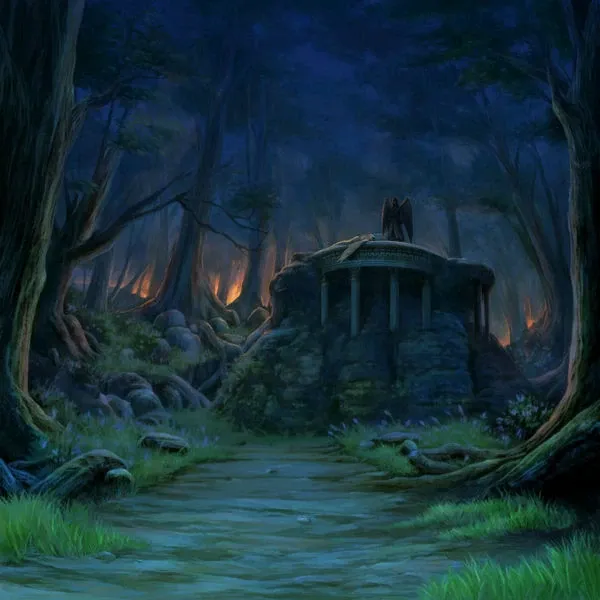
The thing is that the world might have succeeded. The peoples of the world had the tools to achieve peace, or at least avoid a global war that woke the goddesses early. The apocalypse came because one man put his thumb on the scale: Sephiran, leader of the Begnion Senate, who is secretly Ashunera’s millenia-old heron Laguz compatriot, Lehran.
Lehran was there when Ashera went to sleep. He pledged himself to the peace his goddess craved, so that she might once more fuse together her two halves. And then he held to his morals for hundreds of years.
It was only when Apostle Misaha (revealed to be his direct descendant) and the majority of his clan were slain that he forsook his hope and set himself to the task of global destruction. He could not overcome the fullness of his grief, and so he decided to drag the world to hell, embedding himself in the Begnion Senate and masterminding the events of both games from behind the scenes.
Choosing the Difficult Path
And what happens when you don't
But it wasn't one man alone who pushed the world to the brink. It was the weakness of many. This is a major through-line in the game, for both characters I have mentioned and ones I have not yet had time to address.
Micaiah chooses service to a hereditary monarchy over a more complex and challenging liberation. Pelleas chooses a nebulous peace with Begnion, rather than a lasting freedom. Elincia maintains neutrality until her hand is forced, rather than supporting her Laguz allies against Begnion’s blatant corruption. Naesala bends the knee to Begnion’s coercion, rather than warning his allies and trying to find a way out of the deal. Dheginsea preemptively submits to the inevitability of Ashera’s judgment and embraces an unjust peace, instead of intervening to seek liberation for everyone. So many characters, whether kings or commoners, make a tiny choice to avoid the path of justice because it is hard.
That’s what the central conflicts of Radiant Dawn are all about. It’s about how people, often good people, face difficult choices, and about how they so often choose the easy answers rather than the good ones. The choices they face often are not fair, and the tragedies they weather are heinous, but the game's darkest events arise from when they decide to stop caring and take embrace the easier way out. And that is almost enough to end the world.
It’s only by facing the challenges of coexistence, of growth, of change that the various factions of Radiant Dawn come together to save everything. With the true stakes revealed, Yune rallies Ike, Micaiah, Elincia, and all of their allies to take the fight to Ashera amidst the ruins of the petrified world. They win, and they win by embracing the difficulty of letting grudges lie and working together, creating fertile ground for real peace.
Though Radiant Dawn isn’t the first game in the franchise to deal with a more mature story (just take a look at Genealogy of the Holy War or Thracia 776), or even the first to grapple with what happens when former allies become oppressive conquerors (look back to ‘94 and Mystery of the Emblem, the third Fire Emblem game ever produced!), it most certainly is a notable inflection point in the franchise’s maturation. I suspect we don’t get the route splits of Three Houses or Fortune’s Weave without the shades of grey Radiant Dawn developed, and we certainly don’t see them without its ambitious narrative structure.
Final Thoughts
To be clear, I don’t only have glowing praise for Radiant Dawn. I have my own difficulties with the game, such as:
- I miss support conversations.
- I think Ike should not have slotted back into the main protagonist role in the final stretch of the game.
- I believe the Beorc-Laguz stuff was...imprecise, in terms of commentary.
And yet none of these issues is enough to erase my love for this game. It might not be perfect, but it’s perfectly itself, and that was more than enough to sweep me off my feet. I love the grandeur of the wartime narrative. I love the cast of heroes and villains and folks caught in-between. And I love that I had to fight tooth and nail for every step along the path to victory. Every turn was hard fought, but it was all worth it to feel like I earned my happy ending…
…but only for a time.
There’s a secret scene, only accessible on a second playthrough. It can only be seen if you weather the challenge of the game, and THEN choose to do it all again, just for the chance to make one more hard choice.
Because this scene only happens when you choose to spare Lehran, and give him the chance to make amends for his actions. you have to set aside every terrible thing he did to bring about the world's end, and instead see the grieving man who held the line for peace for a millennium. You have to set aside a justifiable rage and look to what might be, not what is.
1200 years after the events of the game, the reunified goddess awakens and is greeted by Lehran. He greets Ashunera as an old friend, and she, no longer beholden to the extremes of order or of chaos, responds in kind. Unfortunately, he recounts troubling news. Once more the world threatens to fall into conflict.
But when she hears this sobering news, Ashunera, unlike Ashera, does not decide that the warring mortals must die. Instead she chooses the difficult path: to walk with the people, and act towards their service and protection. Even though conflict itself is eternal, even though the battle for a peaceful world can never permanently be won, the struggles of Micaiah, Elincia, Ike, and all of their allies still matter. Those struggles left a mark that has ensured that the world will have defenders long after they are gone.
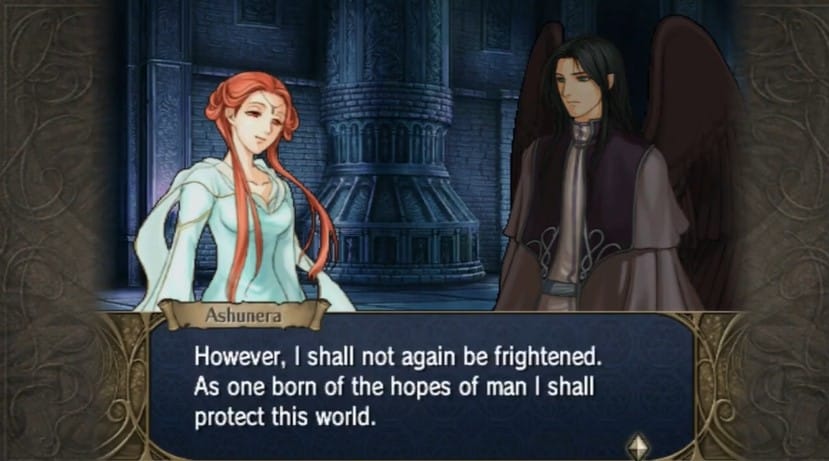
This scene means something precisely because of how much work went into seeing it. If it was a traditional hidden ending, available upon making the right choice at the right time, it might be nice. But it wouldn't reinforce the central theme of the game the way it does here.
The player must embrace the cycle of conflict, just as Ashunera and Lehran do, and choose to weather it all over again, in the hopes that this time it might end better than it did before. If we, the players, choose this difficult path, we are rewarded with proof that something did change. We can only hope that Ashunera and Lehran will be given the same gift.
I'll leave you with one final take away: Challenge is good. Challenge is how we grow.
It’s how one can change from a tattered freedom fighter to the savior of a nation. From a sheltered princess to a worthy queen. From a grieving boy to the hero of an entire continent. From someone consumed by grief to someone who would risk his immortal life in service of others. From a heartless, murderous deity to a goddess worthy of the name.
From a scared, closeted nerd-child who wants to hide a love for these silly little fantasy games to a woman who writes about them for everyone to see.
Difficulty doesn’t have to be an impediment, or a barrier, or a pissing contest. For some of us, the challenge possesses an appeal of its own. Speaking as someone who feels that way, and strongly: Wii would like to play too. Shoutout to Intelligent Systems, and Nintendo, for giving us the chance.